


What is the status of school trust lands and funds in your State?
Download year-specific reports on the right or scroll down to see general state summaries
(Advocates for School Trust Lands works hard to collect statistics regarding school trust lands in as many states as possible. If your state is missing, please call.)
Mississippi - Montana - Nebraska - Nevada - New Mexico
North Dakota - Oklahoma - Oregon - South Dakota - Texas
Utah - Washington State - Wisconsin - Wyoming
On May 20, 1785, the Continental Congress provided land to support schools as each new state joined the union. “There shall be reserved the lot No.16, of every township, for the maintenance of public schools within the said township.” Over 134 million acres were subsequently granted in trust as a condition of statehood. Today, over 45 million acres are held in trust by states for the support of public schools. Revenue is placed in permanent school funds, now over $40 billion, and over $1 billion was distributed to western schools in FY 2022. However, few educators or members of the public are aware of school trust lands. Advocates for School Trust Lands is sharing this grand history of America’s founding vision for schools, hoping that, over time, Americans will learn about school trust lands and their support for public schools.
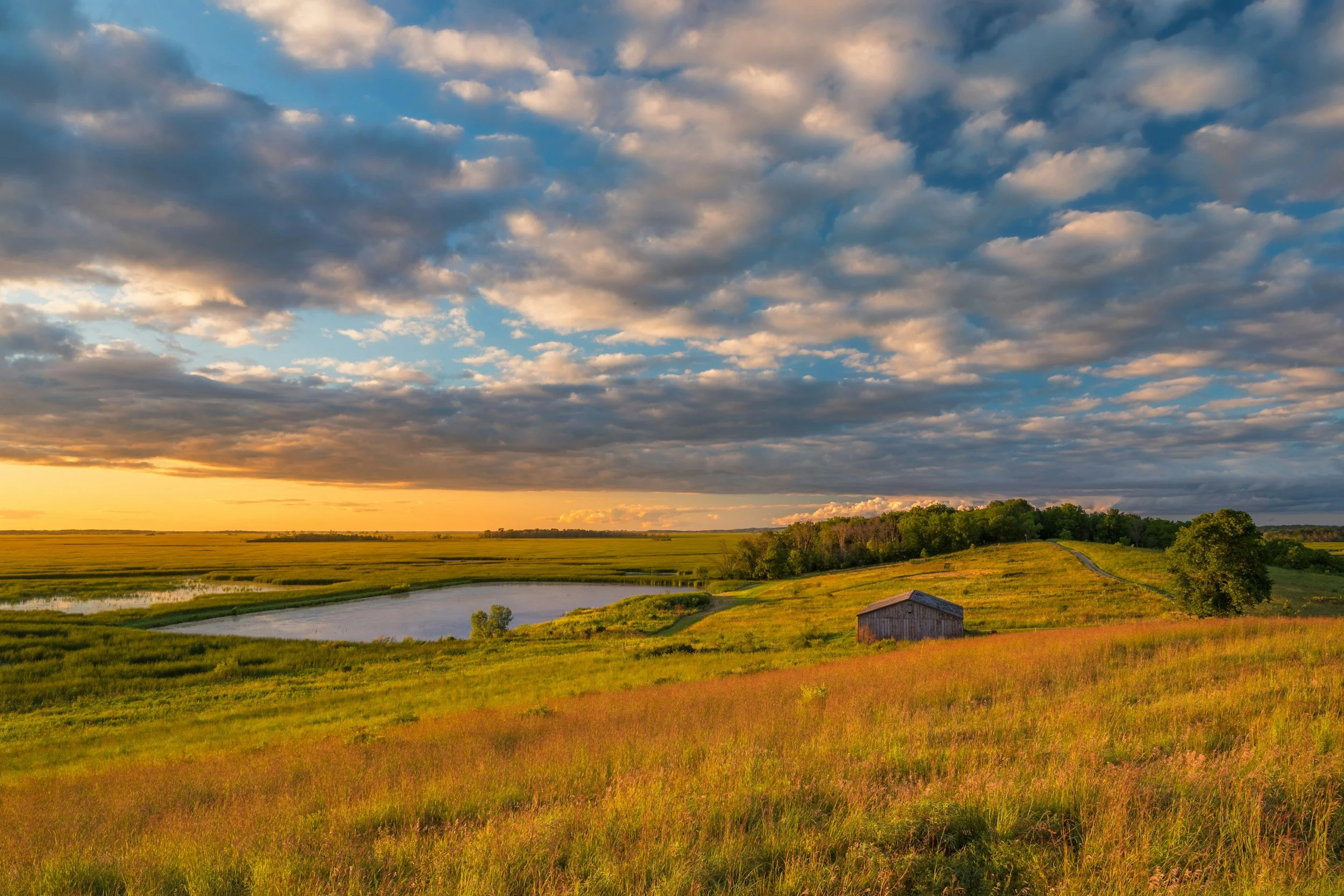
Wisconsin
Wisconsin received statehood on May 29, 1848. As a condition of statehood, 1.5 million acres were granted, in trust for the support of public schools. The majority of these lands have been sold to create the principal for a permanent school fund. This fund is to be exclusively used to support and maintain K-12 public schools, and “the purchase of suitable libraries and apparatus therefor.” [1] The school trust lands are part of a “sacred compact” between Wisconsin and Congress. The statehood act requires the state to act with undivided loyalty as it manages the school lands and funds in trust to support public schools. The founding fathers of Wisconsin had the prescience to provide for growth of the Common School Fund through the addition of “clear proceeds” of all fines, fees, and forfeitures that accrue to the state, including unclaimed property.
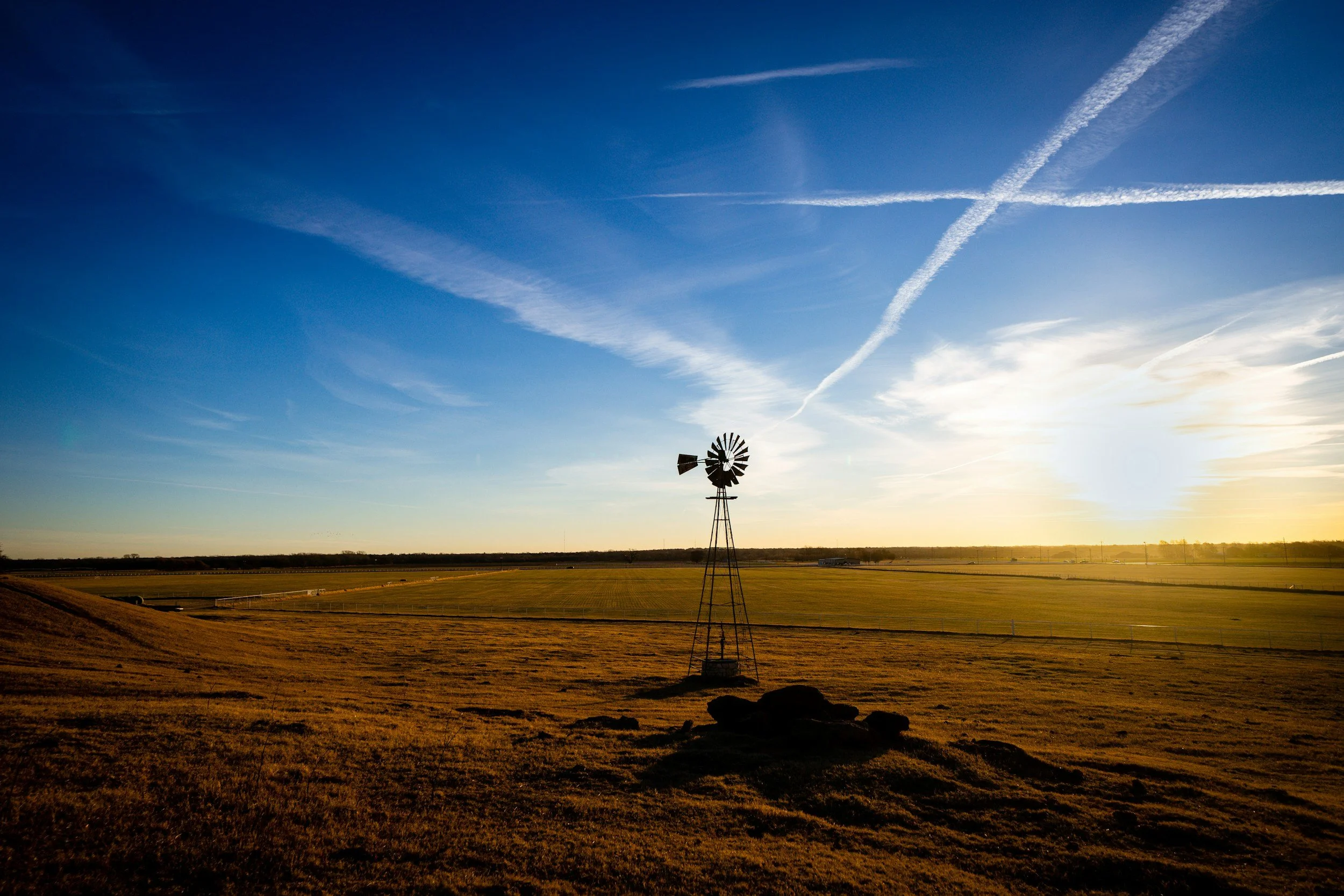
Oklahoma
In 1890. prior to statehood, 2 million acres of school lands were granted by Congress to Oklahoma to support common schools. The granted lands are part of a “sacred trust” between Oklahoma and Congress, requiring the state to act with undivided loyalty to schools as it manages the lands and trust fund created from the lands. Oklahoma received Sections 16 and 36 but received no school land within established Indian designations. Of the original grant, 726,000 surface acres and 1.1 million mineral acres remain.

South Dakota
On November 2, 1889, Congress granted statehood to South Dakota. Congress granted two sections of land, about 1280 acres, in each 6 square mile township in trust for the support of public schools. The schools received 2,813,511 acres and now hold over 760,000 surface acres and 5,200,000 mineral acres. These school trust lands are managed by the South Dakota Office of School and Public Lands. The statewide elected Commissioner is Brock Greenfield located in Suite 212 of the State Capitol in Pierre, South Dakota. Their mission is “to ensure efficient and superior management of school and endowment lands and trust funds owned and administered by the State of South Dakota.” The office is funded by state general fund, so all gross revenue goes to schools.

Texas
Texas entered the Union as an independent republic in 1845 and retained all of its public lands. In 1873, the Texas Legislature set aside one-half of the remaining public domain to benefit public schools. The Texas Permanent School Fund was created with a $2 million appropriation by the Texas Legislature in 1854, expressly to benefit public schools in Texas. The Permanent School Fund consists of all land and all revenues derived from the land or other properties appropriated for the support of public schools. Today, the Texas General Land Office (GLO) manages over 12 million acres of school mineral rights and almost 1 million school surface acres. Most of the lands are scattered in the western part of Texas near El Paso.
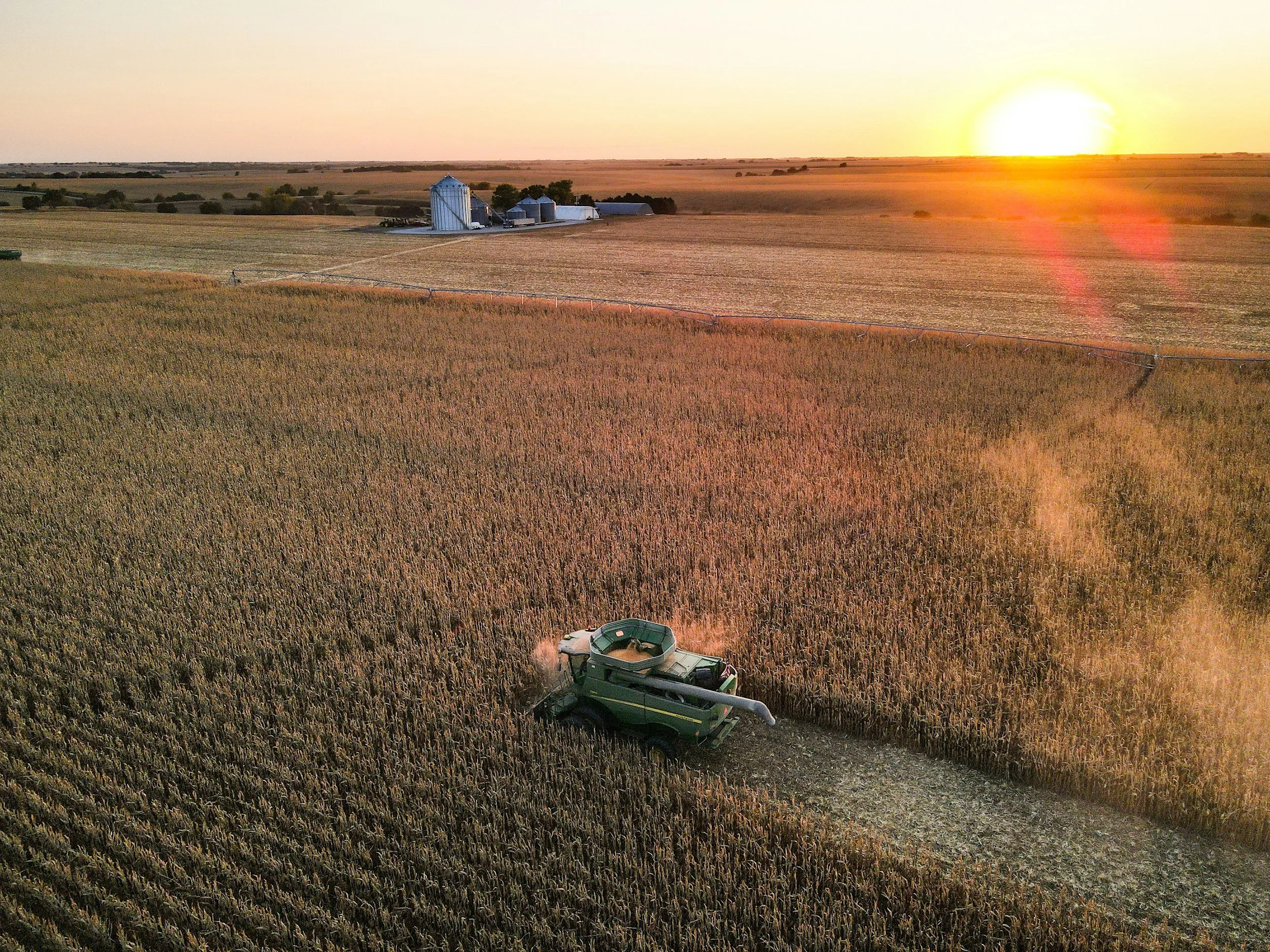
Nebraska
At statehood on March 1, 1867, schools were granted almost three million acres by Congress to support Nebraska public schools. [1] The school trust lands are part of a “sacred compact” between Nebraska and the United States. The enabling act requires the state to act with undivided loyalty as it manages the school lands in trust to support public schools.

North Dakota
At statehood, 2.5 million acres of school lands were granted in 1889 by Congress to North Dakota to support public schools. The school trust lands are part of a “sacred compact” or enabling act between North Dakota and Congress. The enabling act requires the state to act with undivided loyalty as it manages the lands in trust for public schools. North Dakota has 700,000 remaining surface acres and another 2.6 million mineral acres.
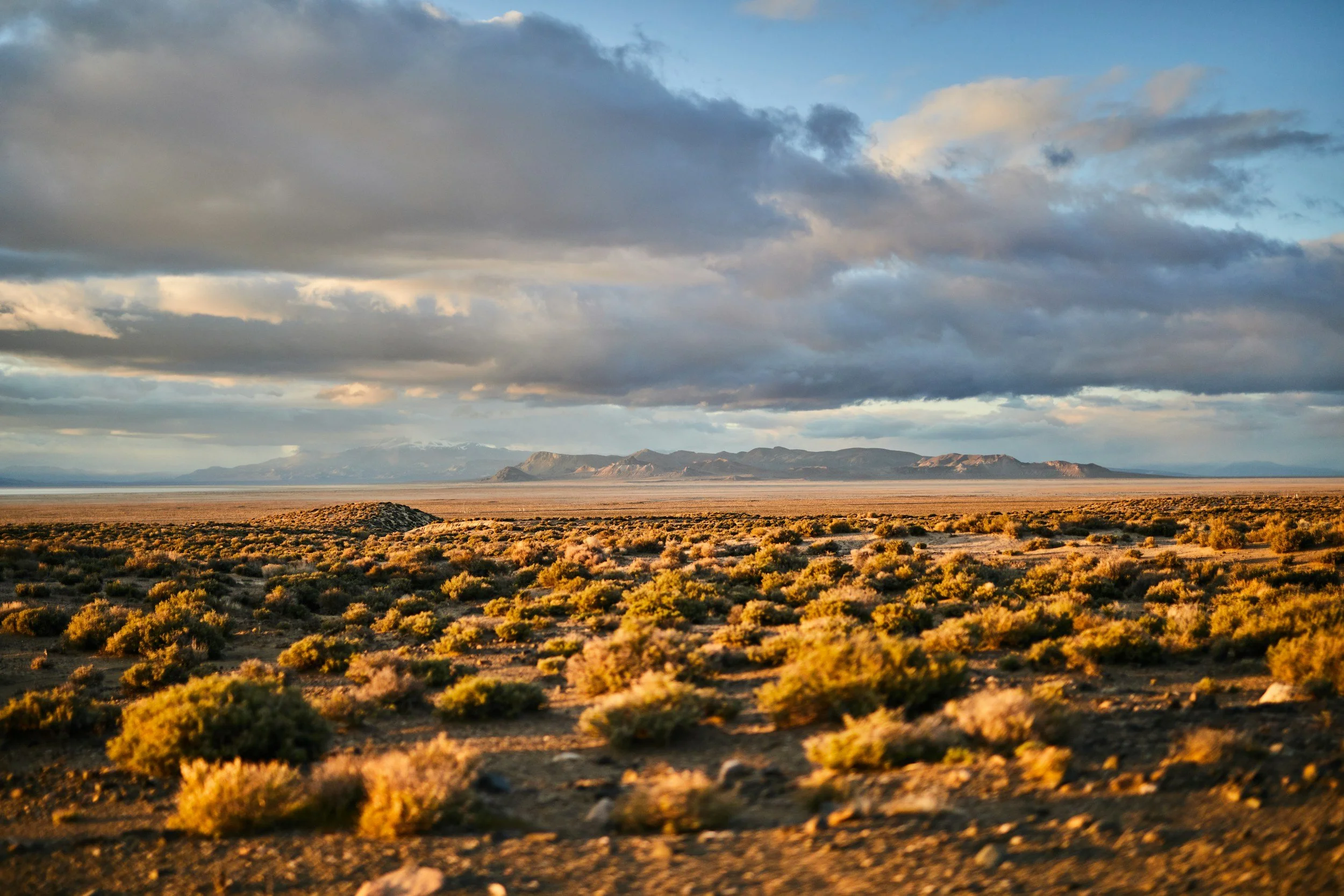
Nevada
At statehood ON October 31, 1864, Nevada was granted 2 sections per township--almost 4 million acres of land--by Congress to support Nevada public schools. The school trust lands are part of a “sacred compact” or enabling act between the state and Congress. The enabling act requires the state to act with undivided loyalty as it manages the school lands in trust to support public schools. Recognizing the arid nature of the state, shortly after statehood, Nevada requested that Congress grant only two million acres, but at locations the state selected instead of Sections 16 and 36 that might have no water. About one-fourth of the private land in Nevada today was once school trust lands. Of the original 4 million acres, Nevada has only 2,914 acres remaining.
Mississippi
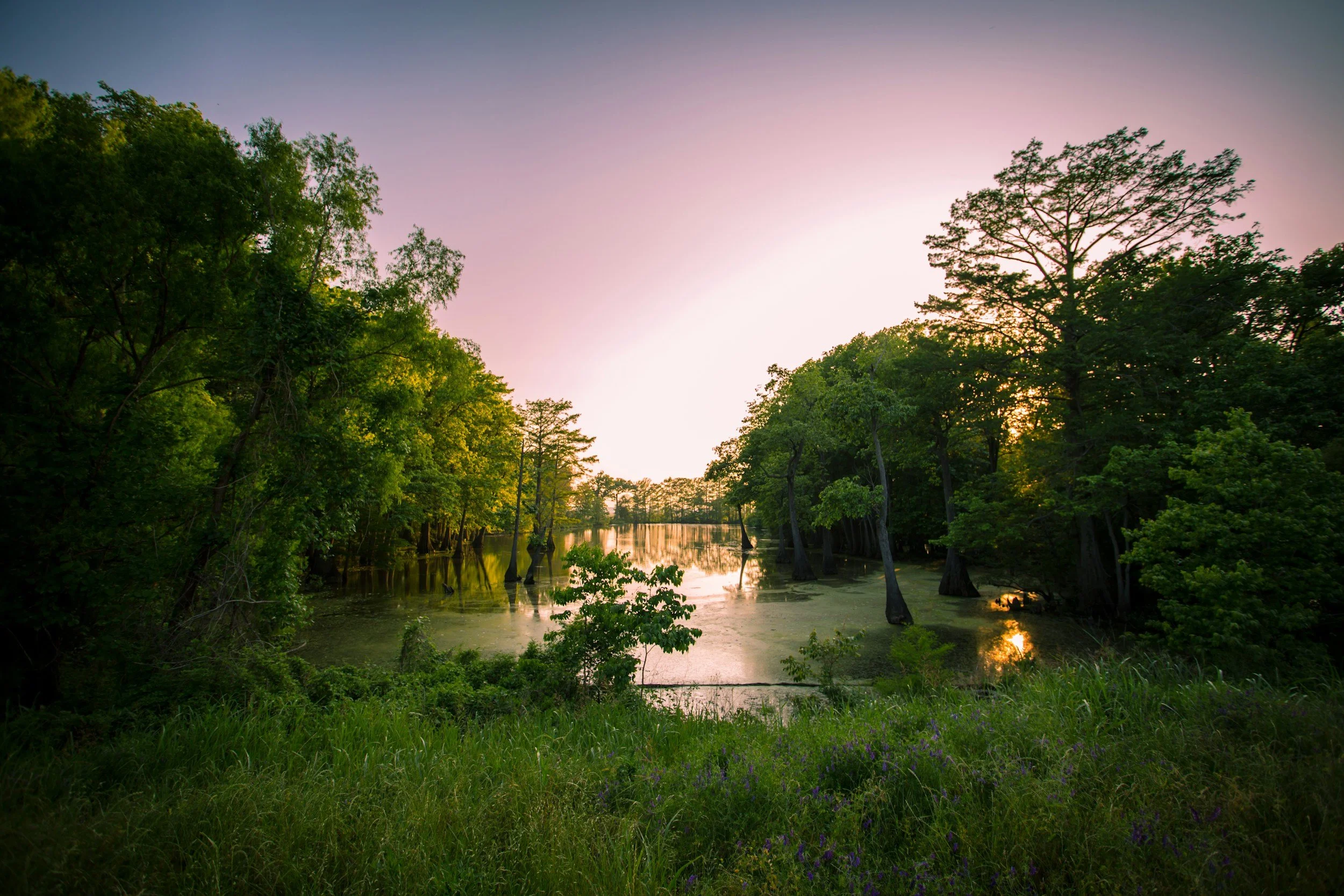
Every state once had school trust lands or a permanent school fund. The original 13 colonies granted themselves lands or funds for schools since they had no federal lands to be granted. As each new state joined the union, they were granted lands to support schools. Of the 20 states still holding lands in trust for schools, Mississippi, who joined the union in 1817, is still honoring their trust for education. In every township which is 6 miles on a side, there are 36 one-mile square sections. Mississippi was granted Section 16 at statehood to support Mississippi schools. School lands in Mississippi are referred to as 16th Section lands. Each school district manages its school land to benefit their public schools. Of the original grant of 838 thousand acres, 643 thousand acres of trust land remain, perhaps one of the highest retention rates in the nation.

California
Five and a half million acres of school lands were granted at statehood in 1850 by Congress to California to support California public schools. That was 6% of all the land in the new state of California. From that original grant, there remains today 458,843 acres of surface lands and about 790,000 acres of mineral rights. The school trust lands are part of a “sacred compact” or enabling act between the state and Congress requiring the state to act with undivided loyalty as it manages the school lands in trust to support public schools.

Alaska
In the 1915 Alaska Enabling Act, two square miles in every territorial township when surveyed were granted to Alaska schools. A township is a square parcel that is 6 miles on a side, with 36 one-mile squares in each township. Schools were to get two one-mile squares per township. The grant would have been over 20 million acres to support schools if all of Alaska had been surveyed. Title to only 104,000 acres was transferred to schools.

Arizona
On February 14, 1912, Arizona joined the union, and Congress granted 10.9 million acres to Arizona, including four sections per township for the support of public schools. Schools received 9.49 million acres and now hold 8,024,118 surface acres and 937,212 mineral acres. About a half million acres are caught within federal designations, meaning they are not generating revenue for schools as Congress required.

Colorado
On August 1, 1876, Congress granted school and institutional lands in trust in exchange for Colorado agreeing to never tax the federal lands within its borders. Sections 16 and 36 in each six mile square township were set aside to support schools. Schools received 3.7 million acres and now hold almost 3 million surface acres and almost 4 million mineral acres.

Idaho
On July 3, 1890, Idaho became a state and received sections 16 and 36 in each township of six square miles for public schools. Schools were granted over 3 million acres and today hold 2.1 million surface acres and almost 3 million mineral acres. Additional lands were granted by Congress to the University of Idaho, Idaho State University, Lewis Clark State College, the state mental hospital, corrections, schools for the deaf and blind, and veteran services. The school trust lands are part of a “sacred compact” between Idaho and Congress.

Minnesota
Minnesota's school trust lands, totaling 2.5 million surface acres and 3.5 million mineral acres, are managed by the Department of Natural Resources and the Office of School Trust Lands to generate revenue for public education. In Fiscal Year 2022, these lands produced $56 million in gross revenue, primarily through iron mining and timber harvesting, contributing significantly to the Permanent School Fund (PSF), which has grown 50% since FY2012 to a market value of $1.74 billion. The PSF’s revenue supports educational resources across Minnesota's public schools and charter schools, ensuring sustainable asset management strategies focused on maximizing long-term educational funding.

Montana
On November 8, 1889, Montana joined the union, and Congress granted two sections per township for the support of public schools. Schools and other institutions received 6.2 million acres and now hold 5.2 million surface acres and 6.2 million mineral acres. These school trust lands are managed by the Montana Land Board who are the top five statewide elected officials: Governor, Attorney General, Secretary of State, Superintendent of Public Instruction, and Commissioner of Securities and Insurance. Shawn Thomas, Forestry and Trust Lands Administrator, is a classified State of Montana employee and manages the school lands within the Department of Natural Resources.

New Mexico
In 1894, due to the arid nature of New Mexico, Congress granted four section per township for the support of public schools. Schools received 8,711,324 acres and now hold 6.8 million surface acres and 9.8 million mineral acres. These school trust lands are managed by the New Mexico State Land Office led by Stephanie Garcia Richard who is the statewide elected Commissioner of Public Lands. She is the first woman commissioner, first Latina, and first educator to be elected to that office.

Utah
In 1894, due to the arid nature of Utah, Congress granted four sections per township for the support of schools. Schools received 6 million acres and now hold approximately 3.2 million surface acres and 4 million mineral acres. These school trust lands are managed by the School and Institutional Trust Lands Administration (Trust Lands Administration) (website: trustlands.utah.gov). Michelle E. McConkie is the Director, and there is a seven person Board of Trustees. The main office is located at 102 South 200 East, Suite 600 in Salt Lake City and is available by phone at 801-538-5100.

Washington
On November 11, 1889, Washington became a state, and Congress granted two sections of 640 acres each for the support of public schools in each township (six square mile area). Schools received 2,432,554 acres and now hold 1,795,564 acres. [1] These school trust lands are managed by the Department of Natural Resources (website: dnr.wa.gov).